

Słuchaj tego podcastu za darmo w aplikacji: Pobierz za darmo z App Store
radio.pl
Sleep timer
Zapisz stacje
211 odcinków
Dealing with Uncertainty (Meditation for Restlessness)
28.09.2026 | 13 min.Uncertainty is an unavoidable part of life. Whether you are waiting for important news, facing a major change, or simply unsure what the future holds, uncertainty can create a constant sense of tension. The mind may respond by imagining worst-case scenarios, replaying past events, or searching endlessly for answers. Alongside this mental activity, restlessness can make it difficult to relax, concentrate, or enjoy the present moment. Meditation offers a simple and effective way to develop greater calm and resilience in the face of uncertainty.
One of the most valuable benefits of meditation is that it teaches us to observe our thoughts without automatically reacting to them. During meditation, you might notice worries about what could happen tomorrow or thoughts about situations you cannot control. Instead of becoming caught up in these thoughts, you learn to acknowledge them and gently return your attention to your breathing, bodily sensations, or another point of focus. Over time, this practice can create more space between a thought and your response to it.
Meditation can also help reduce the mental habit of constantly seeking certainty. The human mind naturally prefers predictable situations, but life rarely provides complete guarantees. Mindfulness encourages us to experience the present moment as it is, rather than continually trying to predict or control the future. By practicing acceptance, you can gradually become more comfortable with not knowing exactly what will happen next.
For people experiencing restlessness, meditation provides an opportunity to slow down both the body and mind. Sitting quietly and paying attention to the breath can reveal how frequently we feel the urge to move, check our phones, solve problems, or distract ourselves. Rather than immediately acting on these impulses, meditation teaches us to notice them and allow them to pass. This can strengthen our ability to remain grounded even when we feel uncomfortable.
Regular meditation may also improve emotional awareness. Anxiety and restlessness often become more manageable when we can identify them early. Instead of simply feeling overwhelmed, you may begin to recognize physical signs such as shallow breathing, muscle tension, or a racing heart. Recognizing these signals can make it easier to pause, breathe, and respond thoughtfully.
Meditation does not eliminate uncertainty or guarantee that anxious thoughts will disappear. Its purpose is not to create a perfectly calm mind, but to change our relationship with difficult experiences. With consistent practice, uncertainty can become something we learn to tolerate rather than something we must immediately resolve.
A simple daily practice can make a meaningful difference. Start with five to ten minutes of mindful breathing. Sit comfortably, notice each inhale and exhale, and gently return your attention whenever your mind wanders. There is no need to judge yourself for becoming distracted.
With patience and regular practice, meditation can help cultivate greater presence, acceptance, and inner steadiness. When life feels uncertain and the mind becomes restless, these qualities can provide a valuable sense of calm, helping you focus on what you can do in the present moment rather than becoming consumed by what you cannot control.
Learn more about your ad choices. Visit megaphone.fm/adchoicesPain Relief Meditation (Mental and Physical Release)
21.09.2026 | 14 min.Pain can affect far more than the body. Whether it comes from physical tension, an ongoing condition, injury, or everyday stress, discomfort can influence mood, sleep, concentration, and overall quality of life.
Pain relief meditation offers a gentle way to work with both the physical and emotional experience of pain by encouraging relaxation, awareness, and mental calm.
Meditation does not necessarily make physical pain disappear, and it should not replace appropriate medical care. Instead, it can help change the way we respond to discomfort, reducing some of the additional stress and tension that can surround the experience of pain.
- Encourages Deep Relaxation
When we experience pain or worry about pain, the body can naturally become tense. Muscles may tighten, breathing may become shallow, and the nervous system can remain on alert. Meditation encourages slow, mindful breathing and conscious relaxation. By releasing unnecessary muscular tension, you may create a greater sense of physical comfort and ease.
- Helps Calm the Mind
Pain can easily lead to repetitive thoughts and worry. You might find yourself thinking about when the discomfort will end, whether it will become worse, or how it will affect your day. Meditation teaches you to notice these thoughts without automatically becoming absorbed in them. Returning attention to the breath or sensations in the body can create a mental pause, helping reduce the cycle of worry and frustration.
- Develop a Healthier Relationship With Pain
Trying desperately to resist an uncomfortable sensation can sometimes increase emotional distress. Pain relief meditation encourages a different approach, observing sensations with curiosity rather than immediately judging or resisting them.
Instead of thinking, “I can't cope with this,” meditation can encourage a more neutral awareness: “There is discomfort here, and I can take this moment one breath at a time.” This shift in perspective can make the experience feel less overwhelming.
- Supports Emotional Well-Being
Living with pain can be emotionally exhausting. Frustration, irritability, sadness, and anxiety may accompany physical discomfort.
A regular meditation practice creates dedicated time to slow down and acknowledge these emotions. Rather than suppressing difficult feelings, mindfulness encourages acceptance and self-compassion. This can provide a valuable sense of emotional space during challenging periods.
- Supports Better Sleep
Pain and stress can make it difficult to relax at bedtime. Racing thoughts and physical tension can keep the body and mind alert.
A gentle meditation before sleep can create a calming transition from the activities of the day toward rest. Slow breathing, body awareness, and progressive relaxation may help prepare the mind and body for sleep.
- Encourages Self-Compassion
Perhaps one of the most valuable aspects of pain relief meditation is learning to treat yourself with patience. Pain can create frustration with the body, particularly when recovery takes longer than expected.
Meditation offers an opportunity to replace self-criticism with kindness. You can acknowledge what you are experiencing without blaming yourself for it.
Ultimately, pain relief meditation is not about forcing pain away. It is about creating greater calm around the experience. Through mindful breathing, relaxation, acceptance, and self-compassion, meditation can support both mental and physical release, helping you meet difficult moments with greater patience and awareness.
Learn more about your ad choices. Visit megaphone.fm/adchoicesMeditation to Slow Your Heart and Settle Your Body
14.09.2026 | 12 min.When stress or anxiety take hold, our body often reacts before we even realize what is happening. Your heart may beat faster, breathing can become shallow, muscles tighten, and the body can feel restless or on edge. This is part of the body's natural stress response, designed to help us deal with immediate challenges. But when stress becomes a regular part of daily life, remaining in this heightened state can leave us feeling exhausted and overwhelmed.
Meditation offers a simple way to encourage the body to slow down and settle. By bringing your attention to your breathing and the sensations within your body, meditation can help shift your focus away from stressful thoughts and toward the present moment. As your attention becomes steadier, your breathing may naturally become slower and more comfortable, helping you feel calmer from the inside out.
One of the most valuable aspects of meditation is its ability to create a pause between stress and reaction. Instead of immediately responding to a stressful thought, email, conversation, or situation, you can take a moment to breathe. This small pause gives your nervous system an opportunity to move away from constant alertness and toward relaxation.
Meditation can also help release physical tension. During a body-focused meditation, you might slowly bring your attention to your shoulders, jaw, neck, chest, stomach, and legs. Rather than trying to force these areas to relax, simply notice how they feel. With each slow breath, you can consciously soften areas where you are holding unnecessary tension.
Breathing meditation can be particularly helpful when you feel physically restless. Sit comfortably and allow your breathing to return to its natural rhythm. Notice the gentle movement of your chest or abdomen as you inhale and exhale. If your mind wanders, there is no need to become frustrated. Simply acknowledge the distraction and return your attention to your breath.
With regular practice, meditation can become a valuable tool for managing everyday stress. It is not about eliminating every stressful experience or forcing your heart and body to behave in a particular way. Instead, meditation helps you develop a calmer response to the pressures of life. Over time, you may become more aware of early signs of tension and better able to respond before stress becomes overwhelming.
The aim is not to escape your body or your thoughts. It is to reconnect with them gently. By slowing your breathing, observing physical sensations, and allowing yourself to pause, meditation can help create a sense of calm throughout your body.
Sometimes, the most powerful response to a busy world is simply to stop, breathe, and give your body permission to settle.
Learn more about your ad choices. Visit megaphone.fm/adchoicesSilence Your Mind for Mental Peace (Meditation to Reduce Repetitive Thinking)
07.09.2026 | 11 min.In our daily lives the mind rarely gets a chance to slow down. We replay conversations, worry about tomorrow, analyze yesterday, and repeatedly think about problems that may not have immediate solutions. This cycle of repetitive thinking can leave us feeling mentally exhausted, anxious, and disconnected from the present moment. Meditation offers a simple and natural way to create space between our thoughts and experience greater mental peace.
Meditation does not mean completely emptying your mind or stopping every thought. Instead, it teaches you to observe your thoughts without automatically following them. When you sit quietly and focus on your breathing, bodily sensations, or a calming phrase, you gradually develop the ability to notice when your mind wanders. Rather than becoming caught in another chain of worries, you can gently return your attention to the present.
One of the greatest benefits of meditation is its ability to reduce the impact of repetitive thinking. When the same thought appears again and again, we often treat it as something that must be solved immediately. Meditation helps create a little distance between you and the thought. You begin to recognize, “This is a thought,” rather than believing that every thought requires your attention. With regular practice, this change in perspective can make anxious or repetitive thoughts feel less overwhelming.
Meditation can also encourage a calmer response to stress. Instead of reacting immediately to difficult situations, mindfulness gives you an opportunity to pause, breathe, and respond more thoughtfully. Even a few minutes of intentional breathing can help shift your attention away from mental noise and toward the sensations of the present moment.
Another important benefit is improved self-awareness. As you meditate, you may begin to recognize patterns in your thinking, for example, constantly anticipating negative outcomes, criticizing yourself, or replaying past mistakes. Awareness is the first step toward changing these habits. You can learn to acknowledge difficult thoughts without judging yourself for having them.
For beginners, meditation does not need to be complicated. Start with one short session a day. Sit comfortably, close your eyes if that feels safe, and pay attention to your natural breathing. When thoughts arise, do not fight them. Simply notice them and gently return your attention to the breath. Over time, you can gradually increase the duration.
Mental peace is not the absence of thoughts, it's the ability to experience thoughts without being controlled by them. Meditation helps cultivate this skill. By practicing regularly, you can create moments of stillness amid a busy day, reduce the grip of repetitive thinking, and develop a calmer relationship with your mind.
The goal is not to silence your mind by force. It is to discover the quiet space that exists when you no longer need to follow every thought.
Learn more about your ad choices. Visit megaphone.fm/adchoicesAffirmations for Self-Love and Confidence (Positivity Boost)
31.08.2026 | 14 min.The way we speak to ourselves can have a powerful influence on how we feel, think, and respond to everyday challenges. When life becomes stressful, it's easy to fall into negative self-talk, self-doubt, and anxious thinking. Affirmations for self-love and confidence offer a simple way to interrupt these patterns and encourage a more positive, compassionate relationship with yourself.
Affirmations are positive statements that are intentionally repeated to encourage supportive thoughts and beliefs. When combined with mindfulness or meditation, they can become a powerful daily practice for creating a calmer and more positive mindset. Rather than allowing your inner critic to dominate your thoughts, affirmations give you an opportunity to consciously choose words that encourage confidence, acceptance, and hope.
One of the greatest benefits of self-love affirmations is learning to treat yourself with greater kindness. Many people are far more critical of themselves than they would ever be toward someone they care about. Mistakes can quickly become reasons for self-judgment, while achievements may be dismissed or overlooked. Affirmations can help change this inner conversation.
Simple statements such as "I am worthy of love," "I accept myself as I am," and "I choose to be kind to myself" can serve as reminders that your value isn't determined by perfection or other people's opinions. Over time, practicing compassionate self-talk can help create a healthier and more supportive relationship with yourself.
Confidence affirmations can also help shift your attention away from fear and toward possibility. Stress and anxiety often encourage us to focus on everything that could go wrong. Repeating positive statements such as "I trust myself," "I can handle challenges," or "I believe in my abilities" can provide a mental reminder that you have the strength and resources to cope with difficult situations.
Affirmations are particularly powerful when practiced mindfully. Rather than rushing through a list of positive statements, take a few slow breaths and allow yourself to connect with each phrase. Notice how the words feel. You don't need to force yourself to believe something immediately. Instead, allow each affirmation to become an encouraging possibility and a reminder of the qualities you want to strengthen.
Another benefit is increased awareness of negative thought patterns. When you begin practicing positive affirmations regularly, you may become more conscious of the critical thoughts that appear throughout the day. This awareness gives you a choice. Instead of automatically accepting a negative thought, you can pause, breathe, and replace it with something more balanced and compassionate.
Affirmations can also encourage gratitude and positivity. When you regularly focus on your strengths, progress, opportunities, and personal qualities, your attention naturally begins to shift toward what is going well. This doesn't mean ignoring life's difficulties. Instead, it helps create a more balanced perspective in which challenges exist alongside hope, growth, and possibility.
Self-love and confidence don't develop overnight, but every positive thought is a step in that direction. By combining affirmations with mindful breathing and meditation, you can nurture greater self-acceptance, strengthen confidence, reduce negative self-talk, and cultivate a more positive outlook on life, one encouraging thought at a time.
Learn more about your ad choices. Visit megaphone.fm/adchoices
Więcej Edukacja podcastów
 Podcast HistorycznyCzas Wolny, Edukacja, Historia, Hobby
 bestiesEdukacja, Komedia, Moda i Uroda, Samodoskonalenie, Sztuka, Wywiady Komediowe
 O ZmierzchuEdukacja
 Podcast CharyzmatycznyEdukacja
 Kwadrans na angielskiEdukacja, Nauka Języków, Zdrowie Psychiczne, Zdrowie i Fitness
 6 Minute EnglishEdukacja, Nauka Języków
 RezultatyEdukacja
 Imponderabilia - Karol PaciorekEdukacja, Społeczeństwo i Kultura
 Przemek Górczyk PodcastEdukacja
 Radio NaukoweEdukacja, Nauka, Społeczeństwo i Kultura
Trendy w podcaście Edukacja
 Wojsiat Ogólnie w newonceEdukacja, Improwizacja, Komedia, Samodoskonalenie
 anything goes with emma chamberlainDzienniki Osobiste, Edukacja, Samodoskonalenie, Społeczeństwo i Kultura
 Pewnie z Klimczak PodcastEdukacja, Samodoskonalenie
 The Wellness CafeEdukacja, Samodoskonalenie
 Strefa Wiedzy Uniwersytetu SWPSEdukacja
 Busy, Yet PrettyEdukacja, Samodoskonalenie, Zdrowie Psychiczne, Zdrowie i Fitness
 IELTS Energy English 7+Edukacja, Nauka Języków
 Bliskie Spotkania 3 StopniaEdukacja
 Duolingo French PodcastEdukacja
 Wiedza w GłosieEdukacja
 Pronunciation with Emma PodcastEdukacja, Instrukcje, Miejsca i Podróże, Nauka Języków, Społeczeństwo i Kultura
 agata uczy - hiszpański onlineEdukacja, Nauka Języków
 Z miłości do górEdukacja
 Swojski język polski: Learn Polish podcastEdukacja, Nauka Języków
 Ku szczęściu z Anią WendzikowskąEdukacja, Samodoskonalenie
 Strefa Wiedzy Uniwersytetu SWPSEdukacja, Nauka, Nauki Społeczne, Relacje, Samodoskonalenie, Społeczeństwo i Kultura
 HelloPolish!Edukacja, Nauka Języków
 Learn Russian with Max | Comprehensible Russian PodcastEdukacja, Nauka Języków
 Zen Jaskiniowca – zrozumieć i wcielić
O Meditation Mountain
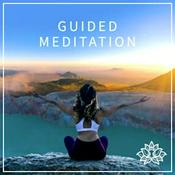
Welcome to Meditation Mountain. Here we produce guided meditations to help you reduce stress, lower anxiety and improve sleep. Our unique guided meditations range from 10 to 20 minutes and focus on mindfulness, visualizations and affirmations on a range of subjects such as meditations for stress, anxiety and overthinking.
Meditation benefits are well documented but for those new to meditation we have multiple meditations for beginners including short guided meditations on positive energy, acceptance and forgiveness.
Our goal here at Meditation Mountain is to make a positive difference in this world one step at a time. It's so easy to become overwhelmed, stressed, or feel lost. Our hopes are that you use these short guided meditations to help reduce your stress, relieve your anxiety and take a few minutes out of your day to meditate on how you are inside. Taking a moment for yourself to recharge through meditation and using it as a tool to strengthen your body and mind.
Strona internetowa podcastuSłuchaj Meditation Mountain, Podcast Historyczny i wielu innych podcastów z całego świata dzięki aplikacji radio.pl
Uzyskaj bezpłatną aplikację radio.pl
- Stacje i podcasty do zakładek
- Strumieniuj przez Wi-Fi lub Bluetooth
- Obsługuje Carplay & Android Auto
- Jeszcze więcej funkcjonalności
Uzyskaj bezpłatną aplikację radio.pl
- Stacje i podcasty do zakładek
- Strumieniuj przez Wi-Fi lub Bluetooth
- Obsługuje Carplay & Android Auto
- Jeszcze więcej funkcjonalności

Meditation Mountain
Zeskanuj kod,
pobierz aplikację,
zacznij słuchać.
pobierz aplikację,
zacznij słuchać.
Meditation Mountain: Podcasty w grupie

 Polska