

Słuchaj tego podcastu za darmo w aplikacji: Pobierz za darmo z App Store
radio.pl
Sleep timer
Zapisz stacje
103 odcinków
Child Loss, Healing & The Mission Behind the Gabby Petito Foundation with Nichole & Jim Schmidt - Episode 90
27.07.2026 | 1 godz. 52 min.WHO THIS EPISODE HELPS
Anyone navigating grief after the death of a child or loved one, survivors of domestic violence, families searching for missing loved ones, advocates, first responders, and anyone looking for hope after unimaginable trauma and loss.
WHAT LISTENERS WILL GET
A deeply personal conversation about grief, healing, child loss, resilience, advocacy, and how one family's unimaginable tragedy became a mission that is helping save lives and supporting families across the country.
DESCRIPTION:
Most people know how Gabby Petito's story ended. Far fewer know how her family's story continued.
In this special bonus episode of Grief Is Not A Dirty Word, Nick Gaylord republishes one of the most powerful conversations from the podcast's original Our Dead Dads series as the Gabby Petito Foundation prepares for its 2026 Charity Golf Event. Nick sits down with Gabby's mother, Nichole Schmidt, and bonus father, Jim Schmidt, for an intimate conversation about parenting, unimaginable child loss, grief, trauma, resilience, and the decision to transform heartbreak into purpose. Together with Joe Petito and Tara Petito, they have spent the past five years building the Gabby Petito Foundation into a nationally recognized voice for domestic violence awareness, missing persons advocacy, prevention, education, and support for families facing their darkest moments. Rather than allowing grief to define them, they have chosen to let Gabby's legacy inspire meaningful change. This conversation is not about the headlines—it is about healing, hope, and the extraordinary impact that can grow from love that never ends.
This episode answers:
How do parents survive the unimaginable grief of losing a child?
How has the Gabby Petito Foundation helped families affected by domestic violence and missing persons cases?
What was Gabby Petito like beyond the headlines?
How can grief be transformed into purpose and advocacy?
What can each of us do to help prevent domestic violence and support families experiencing traumatic loss?
Key Takeaways:
Grief doesn't disappear, but purpose can help carry us forward.
Every act of advocacy has the potential to save lives and change families forever.
Healing doesn't mean leaving a loved one behind—it means carrying their legacy forward.
Domestic violence awareness begins with education, conversation, and recognizing warning signs before it's too late.
Communities of compassion, volunteers, and supporters make life-changing work possible for families experiencing grief and trauma.
Support the show
GIVE THE SHOW A 5-STAR RATING ON APPLE PODCASTS!
FOLLOW US ON APPLE OR YOUR FAVORITE PODCAST PLATFORM!
BOOKMARK OUR WEBSITE: www.griefisnotadirtyword.com
FOLLOW OUR DEAD DADS ON SOCIAL MEDIA:
Facebook: https://www.facebook.com/griefisnotadirtyword
Instagram: https://www.instagram.com/griefisnotadirtyword
TikTok: https://www.tiktok.com/@griefisnotadirtyword
YouTube: https://www.youtube.com/channel/UCmmv6sdmMIys3GDBjiui3kw
LinkedIn: https://www.linkedin.com/in/nick-gaylord/Ambiguous Grief, Traumatic Brain Injury and Healing Through Loss with Andrew Davie - Episode 89
15.07.2026 | 56 min.WHO THIS EPISODE HELPS:
Anyone navigating ambiguous loss, identity grief, caregiving, traumatic brain injury recovery, anticipatory grief, major life transitions, or the challenge of rebuilding life after unexpected trauma.
WHAT LISTENERS WILL GET:
A deeper understanding of ambiguous grief, anticipatory grief, caregiving, resilience, identity loss, post-traumatic growth, and practical insight into finding purpose when life no longer looks the way you expected.
DESCRIPTION:
Andrew Davie thought he knew exactly where his life was headed until a ruptured brain aneurysm changed everything in an instant. In this powerful conversation, Andrew joins Nick to explore the grief that comes from losing a future, an identity, and a version of yourself that never fully came to exist. Together they discuss traumatic brain injury recovery, ambiguous loss, anticipatory grief, and the emotional challenges of rebuilding life after trauma. Andrew also shares his experience becoming a full-time caregiver after his mother's ALS diagnosis and the lessons he learned while helping her create joy during the final years of her life. Throughout the conversation, Andrew offers profound insights about resilience, uncertainty, purpose, and healing. This episode is a reminder that grief is not limited to death and that growth can emerge even from life's most unexpected losses.
This episode answers:
What is ambiguous grief and how does it affect identity after trauma?
How do you grieve the life you thought you were going to have?
What is anticipatory grief and how do caregivers experience it?
How can someone find purpose after a traumatic brain injury or major life change?
What helps people rebuild their lives after loss, trauma, and uncertainty?
Key Takeaways:
Grief can stem from the loss of identity, future plans, and life expectations.
Ambiguous loss often creates unique challenges because there is no clear ending or resolution.
Caregiving can be both emotionally difficult and deeply meaningful.
Healing rarely follows a straight line and often requires patience and self-compassion.
Purpose and fulfillment can emerge in unexpected ways when people remain open to new possibilities.
CHECK OUT ANDREW'S PAGES:
FACEBOOK: https://www.facebook.com/adavieauthor
INSTAGRAM: https://www.instagram.com/adavieauthor
TWITTER/X: https://x.com/adavieauthor
WEBSITE: https://www.andrew-davie.com
Support the show
GIVE THE SHOW A 5-STAR RATING ON APPLE PODCASTS!
FOLLOW US ON APPLE OR YOUR FAVORITE PODCAST PLATFORM!
BOOKMARK OUR WEBSITE: www.griefisnotadirtyword.com
FOLLOW OUR DEAD DADS ON SOCIAL MEDIA:
Facebook: https://www.facebook.com/griefisnotadirtyword
Instagram: https://www.instagram.com/griefisnotadirtyword
TikTok: https://www.tiktok.com/@griefisnotadirtyword
YouTube: https://www.youtube.com/channel/UCmmv6sdmMIys3GDBjiui3kw
LinkedIn: https://www.linkedin.com/in/nick-gaylord/When Addiction Steals Your Child: Katie Rizzo's Journey Through Grief - Episode 88
07.07.2026 | 59 min.WHO THIS EPISODE HELPS
Anyone grieving the loss of a child, supporting someone through addiction, living with complicated grief, carrying guilt after loss, or struggling with the silence and stigma surrounding substance use disorder. This episode is also for parents, caregivers, healthcare professionals, and anyone searching for hope after unimaginable loss.
WHAT LISTENERS WILL GET
A deeply honest conversation about losing a child to addiction, breaking through shame, learning to carry grief instead of outrunning it, and discovering that healing doesn't mean forgetting. Katie shares practical ways she's survived the darkest days through community, creativity, movement, vulnerability and continuing her relationship with her son, Nicholas.
DESCRIPTION
Before there was addiction, there was Nicholas.
That simple truth becomes the foundation of one of the most honest conversations ever shared on Grief Is Not A Dirty Word.
Katie Rizzo joins Nick Gaylord to tell the story of her son Nicholas—not as an addict, but as a shy, funny, athletic young man who loved soccer, superheroes, his brothers, and his family. Together they explore the devastating reality of addiction, the stigma families face after an overdose, and why addiction should be treated as a medical condition instead of a moral failing.
Katie speaks openly about the six-year battle to save her son, the day everything changed forever, the crushing weight of parental guilt, and how she's slowly learned to give herself the same grace she so freely gives other grieving parents.
The conversation also explores Katie's powerful "Trimesters of Grief" framework, why movement and creativity became essential to her healing, the importance of continuing to say a loved one's name, and how grief doesn't have to disappear in order for hope to exist.
This is a conversation about love, addiction, shame, resilience, and learning that the people we lose never stop being part of our lives.
THIS EPISODE ANSWERS
How do you survive losing a child to addiction?
Why is addiction a disease instead of a moral failure?
How do parents cope with guilt after losing a child?
Why do grieving families need us to continue saying their loved one's name?
Can grief and joy exist at the same time?
THIS EPISODE ANSWERS
How do you survive losing a child to addiction?
Why is addiction a disease instead of a moral failure?
How do parents cope with guilt after losing a child?
Why do grieving families need us to continue saying their loved one's name?
Can grief and joy exist at the same time?
KATIE'S LINKS
WEBSITE: https://www.katierizzo.com
CONTACT: https://www.katierizzo.com/contact
INSTAGRAM: https://www.instagram.com/katierizzo007/
Support the show
GIVE THE SHOW A 5-STAR RATING ON APPLE PODCASTS!
FOLLOW US ON APPLE OR YOUR FAVORITE PODCAST PLATFORM!
BOOKMARK OUR WEBSITE: www.griefisnotadirtyword.com
FOLLOW OUR DEAD DADS ON SOCIAL MEDIA:
Facebook: https://www.facebook.com/griefisnotadirtyword
Instagram: https://www.instagram.com/griefisnotadirtyword
TikTok: https://www.tiktok.com/@griefisnotadirtyword
YouTube: https://www.youtube.com/channel/UCmmv6sdmMIys3GDBjiui3kw
LinkedIn: https://www.linkedin.com/in/nick-gaylord/Grief Beyond Death: Trauma, Divorce, Mental Health, and Healing with Dr. Gregory T. Obert - Episode 87
23.06.2026 | 1 godz. 15 min.WHO THIS EPISODE HELPS: Anyone navigating grief, trauma, divorce, childhood loss, PTSD, depression, emotional healing, or non-death grief experiences that still carry lasting pain.
WHAT LISTENERS WILL GET: A powerful conversation about grief beyond death, childhood trauma, emotional validation, mental health, resilience, healing after divorce, and how loss can shape the course of an entire life.
DESCRIPTION:
Dr. Gregory T. Obert spends his career helping people work through trauma, PTSD, depression, grief, and emotional pain, but long before becoming a psychologist, he was a teenager struggling through the collapse of his parents’ marriage and the loss of the life he thought he knew. In this deeply personal conversation with Nick, Dr. Greg shares how childhood grief, depression, and emotional isolation shaped his future. He discusses the often-overlooked grief that accompanies divorce, family dysfunction, autism within families, and the loss of expected relationships. Together, Nick and Dr. Greg explore why society struggles to recognize non-death grief and how trauma extends far beyond the experiences most people associate with PTSD. They examine the importance of emotional validation, the damage caused when children’s feelings are dismissed, and the role supportive adults can play in healing. Dr. Greg also reflects on the therapist who changed his life, the mentor who helped shape his future, and the experiences that ultimately led him into psychology. This episode is an honest, insightful exploration of grief, trauma, resilience, mental health, and the healing power of being truly seen and heard.
This episode answers:
Can divorce cause grief and trauma even when nobody dies?
How does childhood grief affect mental health later in life?
What is the difference between trauma and PTSD?
Why do people dismiss non-death grief experiences?
How can therapy help someone process grief, loss, and emotional pain?
Key Takeaways:
Grief is not limited to death and can emerge from divorce, family changes, lost relationships, and disrupted expectations.
Children often recognize emotional problems long before adults realize they do.
Emotional validation can be life-changing for someone struggling with grief or trauma.
Trauma exists on a spectrum and does not always meet the criteria for PTSD.
Healing often begins when people stop minimizing their pain and allow themselves to address it honestly.
DR. GREG'S LINKS:
INSTAGRAM: https://www.instagram.com/drgtobert/
X: https://x.com/DrGTObert
Support the show
GIVE THE SHOW A 5-STAR RATING ON APPLE PODCASTS!
FOLLOW US ON APPLE OR YOUR FAVORITE PODCAST PLATFORM!
BOOKMARK OUR WEBSITE: www.griefisnotadirtyword.com
FOLLOW OUR DEAD DADS ON SOCIAL MEDIA:
Facebook: https://www.facebook.com/griefisnotadirtyword
Instagram: https://www.instagram.com/griefisnotadirtyword
TikTok: https://www.tiktok.com/@griefisnotadirtyword
YouTube: https://www.youtube.com/channel/UCmmv6sdmMIys3GDBjiui3kw
LinkedIn: https://www.linkedin.com/in/nick-gaylord/Grief, Guilt, Motherhood and Losing Both Parents Before 30 with Annie LaBeth - Episode 86
09.06.2026 | 1 godz. 18 min.WHO THIS EPISODE HELPS:
Anyone navigating parental loss, caregiver grief, anticipatory grief, dementia, cancer, young adult grief, motherhood after loss, guilt after death, or major life transitions while grieving.
WHAT LISTENERS WILL GET:
Practical insight into surviving the loss of both parents before 30, navigating grief while raising a young child, coping with caregiver responsibilities, managing grief triggers, and learning why community and support matter during bereavement.
DESCRIPTION:
Nick Gaylord welcomes returning guest Annie LaBeth for a deeply honest conversation about what happened after her first appearance on the podcast. After previously sharing the story of losing her father, Annie returns to discuss the devastating loss of her mother following a rapid decline involving throat cancer, strokes and dementia. Together, they explore caregiver grief, anticipatory grief, medical advocacy, guilt, trauma, and the emotional collision of becoming a mother while losing her own mom. Annie shares the realities of handling end-of-life decisions, selling her childhood home, navigating healthcare systems and raising a daughter without parental support. The conversation also examines grief triggers, resentment, healing, therapy and the complicated emotions that follow major loss. Through humor, vulnerability and hard-earned wisdom, Annie offers hope to anyone facing parental loss, family caregiving responsibilities or grief during major life transitions. This episode is a powerful reminder that grief changes us, but we do not have to carry it alone.
This episode answers:
What is it like to lose both parents before age 30?
How do you cope with becoming a parent after losing your own parents?
How do you handle guilt after making end-of-life decisions for a parent?
What are the biggest grief triggers after losing a mother or father?
How can caregivers advocate for loved ones with dementia and cancer?
Key Takeaways:
Grief often evolves when multiple losses occur during major life transitions.
Caregiver guilt is common, even when you did everything possible.
Building a strong support system is essential during grief and caregiving.
Parenthood can create a deeper understanding of your own parents and their sacrifices.
Healing does not mean moving on. It means learning how to carry loss differently.
As discussed in the interview, listen to "First Time On Earth" by Alex Warren on Apple Music, Spotify or wherever you get your music.
Support the show
GIVE THE SHOW A 5-STAR RATING ON APPLE PODCASTS!
FOLLOW US ON APPLE OR YOUR FAVORITE PODCAST PLATFORM!
BOOKMARK OUR WEBSITE: www.griefisnotadirtyword.com
FOLLOW OUR DEAD DADS ON SOCIAL MEDIA:
Facebook: https://www.facebook.com/griefisnotadirtyword
Instagram: https://www.instagram.com/griefisnotadirtyword
TikTok: https://www.tiktok.com/@griefisnotadirtyword
YouTube: https://www.youtube.com/channel/UCmmv6sdmMIys3GDBjiui3kw
LinkedIn: https://www.linkedin.com/in/nick-gaylord/
Więcej Edukacja podcastów
 Radio NaukoweEdukacja, Nauka, Społeczeństwo i Kultura
 Podcast HistorycznyCzas Wolny, Edukacja, Historia, Hobby
 6 Minute EnglishEdukacja, Nauka Języków
 Przemek Górczyk PodcastEdukacja
 Cyprian MajcherEdukacja
 RezultatyEdukacja
 Imponderabilia - Karol PaciorekEdukacja, Społeczeństwo i Kultura
 Kwadrans na angielskiEdukacja, Nauka Języków, Zdrowie Psychiczne, Zdrowie i Fitness
 Podcast CharyzmatycznyEdukacja
 bestiesEdukacja, Komedia, Moda i Uroda, Samodoskonalenie, Sztuka, Wywiady Komediowe
Trendy w podcaście Edukacja
 Cuzamendokupy - niemiecki w pigułceEdukacja, Nauka Języków
 Andrew Tate Speech DailyEdukacja, Samodoskonalenie
 Das sagt man so! | Audios | DW Deutsch lernenEdukacja, Nauka Języków
 Japanese podcast for beginners (Nihongo con Teppei)Edukacja, Nauka Języków
 Let’s Talk in Japanese!Edukacja, Nauka Języków
 The Jefferson Fisher PodcastEdukacja, Relacje, Samodoskonalenie, Społeczeństwo i Kultura
 Let's Master English! An English podcast for English learnersEdukacja, Kursy, Nauka Języków
 To Jest Okej PodcastEdukacja
 WNPiSM UWEdukacja
 Szare KomórkiEdukacja
 News in Slow Italian (Intermediate)Edukacja, Nauka Języków, Wiadomości
 Prawo na OkoEdukacja
 Learning English GrammarEdukacja, Nauka Języków
 Finding Freedom with Peter CroneDuchowość, Edukacja, Religia i Duchowość, Samodoskonalenie, Zdrowie Psychiczne, Zdrowie i Fitness
 Real Exam English - B2, C1, C2Edukacja, Kursy, Nauka Języków
 The Wellness CafeEdukacja, Samodoskonalenie
 Learning English ConversationsEdukacja, Nauka Języków
 Polski Daily Stories & TalksEdukacja
O Grief Is Not A Dirty Word
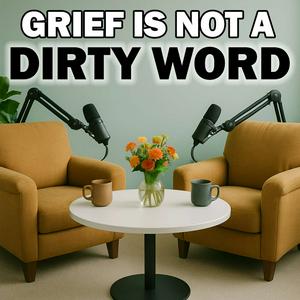
Grief Is Not A Dirty Word is a weekly podcast that brings honest, real-world conversations about grief, loss, trauma, healing, and mental health into the light. Hosted by Nick Gaylord, the show creates a safe, compassionate space for anyone navigating the complicated emotions that come with losing a parent, partner, child, friend, relationship, or former version of themselves.Originally launched as Our Dead Dads, the podcast has evolved into a broader mission: to normalize grief and break the stigma around talking about it. Nick explores every corner of the grieving experience — from anticipatory grief and sudden loss to complicated family dynamics, unresolved anger, identity shifts, and the invisible pain people carry long after the world assumes they’re “fine.”Each episode features powerful, unfiltered stories from guests who have lived through loss and rebuilt their lives in deeply personal ways. Through conversations centered on resilience, vulnerability, courage, and connection, the podcast helps listeners understand that grief isn’t something to hide — it’s something that deserves space, honesty, and community.Whether your grief is fresh or decades old, whether it’s tied to death or to a different kind of ending, this show will help you feel seen, supported, and less alone. If you’re looking for meaningful discussions about healing, emotional wellbeing, and the human experience — you’re in the right place.New episodes every Tuesday. Listen on all major podcast platforms or at griefisnotadirtyword.com.Grief Is Not A Dirty Word — because every story matters, every emotion belongs, and healing begins when we speak the truth.
Strona internetowa podcastuSłuchaj Grief Is Not A Dirty Word, Radio Naukowe i wielu innych podcastów z całego świata dzięki aplikacji radio.pl
Uzyskaj bezpłatną aplikację radio.pl
- Stacje i podcasty do zakładek
- Strumieniuj przez Wi-Fi lub Bluetooth
- Obsługuje Carplay & Android Auto
- Jeszcze więcej funkcjonalności
Uzyskaj bezpłatną aplikację radio.pl
- Stacje i podcasty do zakładek
- Strumieniuj przez Wi-Fi lub Bluetooth
- Obsługuje Carplay & Android Auto
- Jeszcze więcej funkcjonalności

Grief Is Not A Dirty Word
Zeskanuj kod,
pobierz aplikację,
zacznij słuchać.
pobierz aplikację,
zacznij słuchać.
 Polska