

Słuchaj tego podcastu za darmo w aplikacji: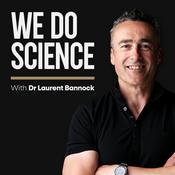 Pobierz za darmo z App Store
radio.pl
Sleep timer
Zapisz stacje
191 odcinków
Can Muscle Adapt When You're Eating Less? | Dr Jose Areta
16.10.2026 | 1 godz. 12 min.What happens to your muscles when you exercise in a calorie deficit? In this episode of We Do Science, I’m joined by Dr José Areta, Associate Professor in Exercise Metabolism and Nutrition at Liverpool John Moores University, to explore how muscle responds when energy intake is reduced—and why muscle size is only part of the picture.
José takes us through his research examining five days of low energy availability alongside aerobic exercise in men. Looking beyond body weight and lean mass, his team tracked changes in individual muscle proteins to understand how the muscle was adapting.
We discuss what they found, including changes in proteins involved in energy production, and explore the distinction between muscle quantity and quality. We also consider how the body prioritises energy, the role of protein intake, and the relevance of these findings to athletes managing their body composition.
Throughout, we address the study’s limitations and why short-term changes shouldn’t be taken as evidence that prolonged energy restriction improves performance. For practitioners, coaches, athletes and students, this conversation offers a closer look at the relationship between nutrition, exercise and muscle adaptation.
CHAPTERS
00:00 Introduction and José’s background
06:43 Understanding energy availability
11:40 Why study muscle during an energy deficit?
22:23 How the body prioritises energy
35:36 The study: diet, exercise and muscle measurements
45:02 Key findings: hormones and muscle adaptation
51:06 Short-term versus prolonged energy restriction
54:27 The roles of protein and exercise
1:04:03 Main takeaways
Connect with Jose:
Instagram: https://www.instagram.com/jose_l_areta/
Linkedin: https://www.linkedin.com/in/jose-areta-8671738a/
Connect with Laurent:
Substack: https://substack.com/@laurentbannock
Website: https://www.laurentbannock.com
Instagram: https://www.instagram.com/laurent_bannock
Subscribe to We Do Science for more conversations on the science and practice of performance nutrition.The Food Matrix: Rethinking Protein Nutrition | Prof. Nick Burd
09.10.2026 | 1 godz. 6 min.Is more protein always better? In this episode of We Do Science, I’m joined by Professor Nick Burd to explore protein nutrition, muscle adaptation and why the amount of protein we eat is only part of the story.
Returning to the podcast after six years, Nick shares insights from his research at the University of Illinois into protein metabolism and the food matrix: how a food’s structure and surrounding nutrients influence the way our bodies respond to it. From eggs and salmon to whey and casein, we examine what we can learn from studying whole foods alongside isolated proteins and supplements.
We discuss the difference between maximal and optimal protein intake, why muscle protein synthesis shouldn’t automatically be equated with muscle growth, and how protein strategies may differ between strength and endurance athletes. We also explore anabolic resistance, muscle quality and the questions researchers are still working to answer.
Whether you’re a sports nutrition practitioner, coach, athlete or student, this conversation offers a closer look at how to interpret protein research and apply it in practice, with a reminder of the central role of consistent exercise in supporting muscle adaptation.
Subscribe to We Do Science for more conversations on the science and practice of performance nutrition.
Connect with Nick:
LinkedIn: https://www.linkedin.com/in/nicholasburd/
Connect with Laurent:
Substack: https://substack.com/@laurentbannock
Website: https://www.laurentbannock.com
Instagram: https://www.instagram.com/laurent_bannock
Chapters:
01:59 Protein, the food matrix and the questions ahead
03:03 Nick’s background and research
06:25 A career investigating protein metabolism
09:03 Making sense of muscle protein synthesis
12:28 Muscle remodelling versus muscle growth
14:30 How protein research shapes recommendations
16:52 Understanding the protein RDA
23:21 Individual responses and personalised nutrition
25:36 Maximal versus optimal protein intake
29:59 Food first, supplements and questions about timing
31:42 Strength versus endurance athletes
33:20 Looking beyond total protein intake
35:29 Understanding the food matrix
36:08 Lessons from eggs, salmon and minced meat
41:54 Whey, casein and attempts to improve the response
46:58 Exercise, protein and anabolic resistance
50:45 Anabolic resistance in different populations
54:45 Muscle size, strength and quality
59:52 Are we too focused on protein quantity?Nutrition for Pro Cycling: From Plate to Performance - Dr. Dana Lis & Nicki Strobel
02.10.2026 | 1 godz. 33 min.On this episode of We Do Science, Dr Laurent Bannock welcomes back Dr Dana Lis, registered dietitian and performance nutrition practitioner, alongside chef and nutritionist Nicki Strobel, to discuss their paper Plate to Performance: Culinary Nutrition Support for Professional Road Cycling, part of the UCI Sports Nutrition Project.
Drawing on years of experience in elite cycling, Dana and Nicki explain how the culinary nutrition team of nutritionists, chefs and soigneurs turns evidence into food riders will actually eat across Grand Tours, Classics and training camps. The conversation covers the chef–nutritionist relationship, on-bike fuelling, menu planning around stage demands, and how power meter data, doubly labelled water and continuous glucose monitors inform daily decisions.
Laurent, Dana and Nicki also discuss educating riders in a decentralised sport, building buy-in across the team, planning for illness, crashes and kitchens without power, and where the journey from science to plate most often breaks down. With lessons that apply well beyond cycling, this episode offers sports nutritionists, chefs, coaches, students and athletes a practical look at how performance nutrition is delivered in the real world.
Subscribe for more conversations exploring the science and practice of sports nutrition.
Read the paper:
Plate to Performance: Culinary Nutrition Support for Professional Road Cycling
https://journals.humankinetics.com/view/journals/ijsnem/36/3/article-p335.xml
Connect with Dana:
LinkedIn: https://www.linkedin.com/in/dr-dana-lis/
Connect with Nicki:
LinkedIn: https://www.linkedin.com/in/nicki-strobel-44b41347/
Connect with Laurent:
Substack: https://substack.com/@laurentbannock
LinkedIn: https://www.linkedin.com/in/laurentbannock/
Instagram: https://www.instagram.com/laurent_bannock
Website: https://www.laurentbannock.com
Chapters:
00:00 Introduction
03:13 Welcoming Dana and Nicki to We Do Science
04:31 Bridging the gap between science and practice
06:35 Dana's background and career
10:08 Nicki's journey from Michelin-star chef to pro cycling
15:20 How the Plate to Performance paper came about
20:38 Why chefs and nutritionists need a shared language
23:18 Cooking on the road: chefs, hotels and logistics
26:27 Prioritising nutrition interventions
28:41 The chef–nutritionist relationship
33:12 On-bike nutrition and the role of soigneurs
38:02 Keeping the evidence intact across the team
42:01 Planning menus around race demands
45:15 Day types, fuelling time points and daily adjustments
49:56 The data behind fuelling decisions
52:55 Energy availability and RED-S in the field
56:16 Turning precise numbers into real meals
59:36 Rider education in a decentralised sport
1:04:06 Building rider buy-in
1:07:11 Working through the rider's support network
1:11:04 Establishing yourself in a new team
1:15:25 When things go wrong on the road
1:17:26 Planning for illness and injury
1:22:09 Where the science breaks down in practice
1:24:47 What Dana and Nicki have changed their minds onHow to Make Better Sports Nutrition Decisions | Prof. Michael Gleeson
25.09.2026 | 1 godz. 13 min.We Do Science with Dr Laurent Bannock returns, now with video! In this first episode back, Laurent welcomes Professor Michael Gleeson, Emeritus Professor of Exercise Biochemistry at Loughborough University, to explore the four Ps of performance nutrition: personalise, periodise, pre-fuel and prepare.
Drawing on his research and experience in sports nutrition, Michael explains how this framework can help practitioners turn scientific evidence into practical decisions for their athletes. The conversation covers carbohydrate fuelling, hydration, gut training and supplements, alongside the importance of adapting nutrition strategies to training demands, individual preferences and the realities of competition.
Laurent and Michael also discuss the role of wearables and testing in personalised nutrition, the challenges of supplement marketing, and why more information doesn’t always lead to better decisions. With examples from football and endurance sport, this episode offers sports nutritionists, coaches, students and athletes a practical look at choosing, applying and evaluating nutrition strategies.
Subscribe for more conversations exploring the science and practice of sports nutrition.
Connect with Michael:
LinkedIn: https://www.linkedin.com/in/michael-gleeson-218565b9/
Connect with Laurent:
Substack: https://substack.com/@laurentbannock
LinkedIn: https://www.linkedin.com/in/laurentbannock/
Instagram: https://www.instagram.com/laurent_bannock
Website: https://www.laurentbannock.com
Chapters:
00:00 Introduction
02:47 Welcoming Michael back to We Do Science
04:18 Michael’s background and research
08:06 Why develop the four P's of performance nutrition?
14:18 Using the framework to guide decisions
19:40 Personalise: tailoring nutrition to the athlete
24:22 Personalisation, testing and getting the basics right
30:28 Periodise: matching nutrition to training demands
34:11 Gut training and rehearsing competition nutrition
37:23 Pre-fuel: preparing for competition
43:22 Prepare: hydration, fuelling and supplements
49:19 Athlete preferences and practical problem-solving
52:27 Cultural considerations and World Cup nutrition
55:29 Choosing what belongs in the framework
56:35 Supplement evidence and marketing
1:03:38 Applying and evaluating the four Ps
1:05:35 The future of personalised sports nutrition
1:09:05 The future of sports nutrition textbooksWe Do Science Returns | Season 2 Trailer
17.09.2026 | 0 min.We Do Science is back — and this time, you can watch as well as listen.
Launching Friday 25 September, Season 2 brings a new series of conversations exploring the science and practice of sport and exercise nutrition.
Following 182 audio episodes published between 2014 and 2023, this new chapter introduces video on Spotify, with audio available for listeners who prefer to tune in on the move.
Watch the trailer for a taste of what’s ahead, and follow We Do Science so you’re ready for the first episode.
Explore the original audio archive here on the show page.
Więcej Edukacja podcastów

Trendy w podcaście Edukacja



![Podcast трохи [легше]](https://www.radio.pl/podcast-images/175/trokhi-legshe.jpeg?version=ef6eec35954df2328847cccf2fa347ee1be073ea)




O We Do Science
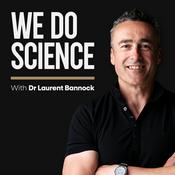
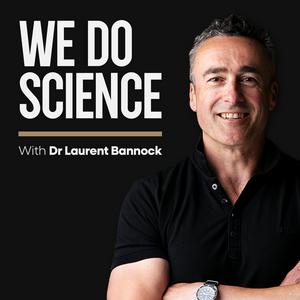
We Do Science is the sport and exercise nutrition podcast hosted by Dr Laurent Bannock, practitioner, educator, researcher, and Founder of The Institute of Performance Nutrition.
Relaunching in September 2026 for a new era, the show brings together leading researchers, elite practitioners, educators, and thinkers to explore the science, context, and real-world application of performance nutrition.
Each episode goes beyond headlines, protocols, and simplistic advice to examine how evidence is interpreted, challenged, and applied in practice. Topics include sport and exercise nutrition, body composition, protein and muscle, supplements, recovery, endurance nutrition, football nutrition, female athlete nutrition, behaviour change, practitioner development, and evidence-informed decision-making.
Originally launched as one of the leading podcasts in the sports nutrition field, We Do Science returns with the same core mission: to bridge the gap between science and practice.
Whether you are a sports nutritionist, dietitian, performance practitioner, coach, researcher, student, or serious health and fitness professional, this show is designed to help you think more critically, practise more effectively, and make better decisions in the real world.
Serious conversations in sport and exercise nutrition — from science to practice.
Strona internetowa podcastuSłuchaj We Do Science, Podcast Historyczny i wielu innych podcastów z całego świata dzięki aplikacji radio.pl
Uzyskaj bezpłatną aplikację radio.pl
- Stacje i podcasty do zakładek
- Strumieniuj przez Wi-Fi lub Bluetooth
- Obsługuje Carplay & Android Auto
- Jeszcze więcej funkcjonalności
Uzyskaj bezpłatną aplikację radio.pl
- Stacje i podcasty do zakładek
- Strumieniuj przez Wi-Fi lub Bluetooth
- Obsługuje Carplay & Android Auto
- Jeszcze więcej funkcjonalności
We Do Science
Zeskanuj kod,
pobierz aplikację,
zacznij słuchać.
pobierz aplikację,
zacznij słuchać.
We Do Science: Podcasty w grupie
 Polska