Słuchaj tego podcastu za darmo w aplikacji: Pobierz za darmo z App Store
radio.pl
Sleep timer
Zapisz stacje
100 odcinków
Nie chce mi się! 🇵🇱 | How to Say “I Don’t Feel Like It” in Polish | Learn Polish Through Stories
24.10.2026 | 30 min.🇵🇱 Nie chce mi się! – How to Say “I Don’t Feel Like It” in Polish
How do you say “I don't feel like it” in Polish?
In this episode of our Learn Polish Through Stories podcast, you'll learn useful everyday Polish expressions through a funny story about a couple in Warsaw.
She wants to go to a Vietnamese restaurant, but her Polish boyfriend just wants to relax at home. Will she convince him to go out? 😄
🇵🇱 Useful Polish phrases:
Nie chce mi się! – I don't feel like it!
Chcę trochę odpocząć. – I want to rest a little.
Idziemy do restauracji! – Let's go to a restaurant!
Chcę spróbować czegoś nowego. – I want to try something new.
Idę sama! – I'm going alone!
Poczekaj! – Wait!
Nic nie szkodzi! – No problem!
🎓 Join our VIP Polish Course!
Learn Polish through short, engaging stories and practical conversations.
📅 Live Polish lessons every Monday, Tuesday and Wednesday at 7 PM, followed by speaking practice on Zoom.
🇵🇱 Saturday beginners' class at 10 AM.
✅ Try our course with a 7-day trial!
👉 https://www.learn-polish.pl
VIP Polish course https://app.learn-polish.pl/videos/ZLjTs8Yz5DWmViac5tHL
We also organize weekend Polish immersion courses in northern Poland, where you can practise Polish with a Polish family.
A ty? Często mówisz „Nie chce mi się”? 😄
Thank you for learning Polish with Erni School of Polish!
#LearnPolish #PolishForBeginners #PolishPodcast #PolishLanguage #ExpatsInPoland🇵🇱 Learn Polish A1 – Chcę zobaczyć! | I Want to See!
23.10.2026 | 3 min.Chcę zobaczyć.
I want to see.
Chcę zobaczyć Warszawę.
I want to see Warsaw.
Warszawa jest piękna.
Warsaw is beautiful.
A ja chcę zobaczyć Kraków.
And I want to see Kraków.
Super! Bardzo dobrze!
Great! Very good!
A ja chcę zobaczyć Toruń.
And I want to see Toruń.
Nigdy tam nie byłem.
I've never been there.
A ja chcę zobaczyć Lublin.
And I want to see Lublin.
Lublin? Gdzie to jest?
Lublin? Where is that?
Lublin jest w Polsce, oczywiście!
Lublin is in Poland, of course!
✈️ A 90-year-old woman travels to Australia!
This week's story is inspired by a real Polish woman in her 90s who decided to fulfil her dream of travelling to Australia.
Chcę zobaczyć Australię!
I want to see Australia!
Mam 90 lat.
I'm 90 years old.
Chcę zobaczyć świat!
I want to see the world!
Can you imagine travelling to Australia at 90?
🗣️ 5. Join our live VIP Polish lessons!
Every Monday, Tuesday and Wednesday at 7:00 PM (Poland time), we practise Polish through short stories, useful phrases and interactive speaking activities.
Each lesson helps you build vocabulary and speak Polish with more confidence.
🏡 6. Weekend Polish immersion courses
Want to practise Polish in real life?
Join our weekend immersion courses, where you can:
Stay with a Polish family.
Practise speaking Polish in everyday situations.
Experience Polish culture and daily life.
Speak as much Polish as possible!
❤️ 7. See you in class!
Do zobaczenia!
See you!
Dziękuję bardzo!
Thank you very much!
👉 Join our VIP Polish course: https://app.learn-polish.pl/🇵🇱 Learn Polish Through Stories – At a Vietnamese Restaurant
19.10.2026 | 3 min.Idziemy do restauracji!
Let's go to a restaurant!
Nie chce mi się.
I don't feel like it.
Mają tam pyszne jedzenie!
They have delicious food there!
Może jutro?
Maybe tomorrow?
Nie, idziemy dzisiaj!
No, we're going today!
I want to relax!
Nie chcę gotować.
I don't want to cook.
A ja chcę trochę odpocząć.
And I want to rest a little.
Chcę spróbować czegoś nowego!
I want to try something new!
Idziemy do restauracji wietnamskiej!
Let's go to a Vietnamese restaurant!
Nie chce mi się.
I don't feel like it.
I'm going alone!
No dobra. Idę sama!
Alright. I'm going alone!
Pa!
Bye!
Co?! Poczekaj!
What?! Wait!
Poczekaj, kochanie!
Wait, darling!
No problem!
Przepraszam za spóźnienie.
Sorry I'm late.
Nic nie szkodzi!
That's okay! / No problem!
Other useful expressions:
Nie ma sprawy!
No problem!
Spoko!
No worries! / Cool!
W porządku!
It's alright!
What do you want to eat?
Co chcesz zjeść?
What do you want to eat?
Ja chcę zupę. A ty?
I want soup. And you?
Ja chcę sajgonki!
I want spring rolls!
Ale z ciebie żarłok!
You're such a glutton!
Too spicy!
Trochę za ostre!
A little too spicy!
Ta zupa jest za ostra!
This soup is too spicy!
It was fantastic!
Było wspaniale!
It was wonderful!
Było rewelacyjnie!
It was fantastic!
⭐ Key phrases to remember
Chcę – I want
Nie chcę – I don't want
Chcesz? – Do you want?
Nie chce mi się – I don't feel like it
Chcę spróbować – I want to try
Idę sama – I'm going alone (female speaker)
Poczekaj! – Wait!
Nic nie szkodzi – No problem / That's okay
Za ostre – Too spicy
Było wspaniale – It was wonderful
🎓 Join our VIP Polish Course!
Want to understand Polish and start speaking with confidence?
Join us for live Polish lessons every Monday, Tuesday and Wednesday at 7 PM, followed by speaking practice on Zoom.
✅ Learn Polish through short, funny stories.
✅ Practice practical everyday conversations.
✅ Improve your listening and speaking skills.
✅ Try our VIP Polish course for 7 days! https://app.learn-polish.pl/
We also offer weekend Polish immersion courses in Poland, where you can experience everyday Polish life and spend time with a Polish family.
https://www.learn-polish.pl/
A ty? Lubisz chodzić do restauracji? Jaką restaurację polecasz?
And you? Do you like going to restaurants? Which restaurant do you recommend?
Thank you for learning Polish with Erni School of Polish!
Do zobaczenia! Cześć, pa! 🇵🇱How to Speak Polish? Simple Sentences for Beginners
15.10.2026 | 23 min.VIP members practice with flashcards https://app.learn-polish.pl/flashcards/cNudHgDyYOKWOckCySdH
Join live lessons https://app.learn-polish.pl/videos/cNudHgDyYOKWOckCySdH
Speak and Chat in Polish – One Week to Confidence!
Do you want to speak Polish more confidently? Let’s start with simple sentences you can use right away:
Mówię po polsku. – I speak Polish.
Mówię po angielsku. – I speak English.
Lubię gadać z przyjaciółmi. – I like chatting with friends.
Możemy pogadać później. – We can chat later.
Agnieszka jest gadułą. – Agnieszka is a chatterbox.
In our lessons, you’ll learn the difference between mówić (to speak) and gadać/pogadać (to chat), and you’ll practice with real, everyday phrases:
Nie mówię po francusku. – I don’t speak French.
Pogadajmy o wakacjach. – Let’s chat about the holidays.
Now it’s your turn to speak!
Join our One-Week Intensive Polish Course with extra activities to meet and interact with Polish speakers. You’ll practice speaking every day and learn faster than ever.
📅 Choose your start day: Monday, Tuesday, or Wednesday
🕖 Class time: 7:00 p.m.
🏫 Location: online or Our Language School – speak, chat, and have fun!
Online course https://app.learn-polish.pl
Learn Polish in Poland https://www.learn-polish.pl/
Come for a week. Speak Polish for life.How to Describe Your Family in Polish
14.10.2026 | 4 min.Cześć, cześć, cześć! Dzień dobry!
This is a short introduction to our VIP Polish course.
Every Monday, Tuesday and Wednesday at 7 p.m. we have a live Polish lesson.
This week we are talking about family and learning how to describe different family members.
👵 Babcia
Babcia.
Grandmother.
Babcia jest fajna.
Grandma is nice.
Ale babcia jest trochę stara.
But grandma is a little old.
Ile lat ma twoja babcia?
How old is your grandmother?
Babcia ma osiemdziesiąt siedem lat.
Grandma is 87 years old.
Babcia lubi pływać.
Grandma likes swimming.
Babcia lubi zbierać grzyby.
Grandma likes picking mushrooms.
Babcia jest fajna, ale czasami jest trochę wredna.
Grandma is nice, but sometimes she is a little mean.
💇♀️ Ciocia
Ciocia.
Aunt.
Moja ciocia jest bardzo fajna.
My aunt is very nice.
Moja ciocia jest fryzjerką.
My aunt is a hairdresser.
Moja ciocia jest bardzo pracowita.
My aunt is very hardworking.
Moja ciocia jest śmieszna.
My aunt is funny.
Moja ciocia jest zabawna.
My aunt is fun.
Ona nie jest wredna.
She isn’t mean.
👨🌾 Wujek
To jest mój wujek.
This is my uncle.
Wujek jest fajny.
My uncle is nice.
To jest fajny wujek.
He is a nice uncle.
On jest bardzo spokojny.
He is very calm.
🥾 Teściowa
Kto to jest?
Who is this?
To jest moja teściowa.
This is my mother-in-law.
Moja teściowa lubi mówić.
My mother-in-law likes talking.
Ona jest gadułą.
She is a chatterbox.
🏍️ Brat
Kto to jest?
Who is this?
To jest mój brat.
This is my brother.
Twój brat?
Your brother?
Tak, to jest mój brat.
Yes, this is my brother.
On jest trochę wredny.
He is a little mean.
I trochę dziwny.
And a little weird.
Mój brat jest trochę dziwny.
My brother is a little weird.
🇵🇱 Join our VIP Polish Course
This was a short introduction to our VIP Polish course.
Every Monday, Tuesday and Wednesday at 7 p.m. Polish time, we have a live lesson.
You can practise listening, learn useful Polish and join our speaking activities.
👉 Check the description below and try our VIP Polish course for a few days. See how you like it!
🏡 Weekend Polish Immersion in Poland
Zapraszamy Cię również na nasz weekendowy kurs w Polsce!
We also invite you to our weekend immersion course in Poland.
Mieszkasz z polską rodziną.
You stay with a Polish family.
Mówisz po polsku.
You speak Polish.
Gotujemy razem.
We cook together.
Robimy krótkie wycieczki.
We take short local trips.
Ćwiczysz polski przez cały weekend.
You practise Polish throughout the weekend.
👉 Przyjedź do Polski i używaj polskiego w prawdziwym życiu!
Come to Poland and use Polish in real life!
Bardzo dziękuję i do zobaczenia! Pa! Cześć! 🇵🇱 https://www.learn-polish.pl/
Więcej Edukacja podcastów







Trendy w podcaście Edukacja



















O Learn Polish with Erni School
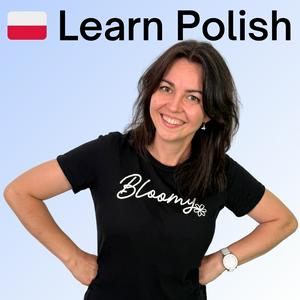
🎙️ Learn Polish with our Erni School of Polish Podcast.Master Conversational Polish for everyday.Are you eager to learn Polish language? Welcome to the ”Learn Polish with Erni School” podcast, your start to master conversational Polish.Enhance your speaking and listening skills. Whether you’re a complete beginner or looking to refine your language abilities, our podcast is tailor-made to cater to your learning journey.🗣️ Why Choose Our Podcast?Our podcast is designed with one primary goal in mind: to help you become a confident and skilled speaker of Polish. In each episode we invite you to start our Polish conversations that mirror real-life situations. 🕖 Live Lessons and Speaking GroupJoin us every Monday at 7 PM for an interactive live lesson, where our Polish tutors guide you through the beauty of Polish language.But the learning doesn’t stop there! After the lesson, you’re invited to participate in our speaking group. Put your newfound skills to the test in a supportive environment, connecting with other students of Polish.🌐 What to Expect🎧 Engaging Conversations: Dive into authentic dialogues that simulate real-life scenarios.🗣️ Pronunciation Perfected: Our expert instructors break down pronunciation challenges, ensuring you sound like a native speaker of Polish.📚 Practical Polish Vocabulary. Learn phrases that are immediately applicable in everyday conversations.🧑🤝🧑 Community Support: Connect with a community of fellow learners, practice speaking, and gain confidence together.Whether you’re planning a trip to Poland, connecting with Polish-speaking friends and family our podcast will help you gain more confidence in speaking Polish. 🔗 Tune In and ConnectSubscribe to ”Learn Polish with Erni School” on your favorite podcast platform and start exciting journey to fluency. Remember, fluency starts with a single conversation. Let’s start yours every Monday at 7 PM during our live lessons. Join our speaking group and surround yourself with a great community.
Strona internetowa podcastuSłuchaj Learn Polish with Erni School, Rezultaty i wielu innych podcastów z całego świata dzięki aplikacji radio.pl
Uzyskaj bezpłatną aplikację radio.pl
- Stacje i podcasty do zakładek
- Strumieniuj przez Wi-Fi lub Bluetooth
- Obsługuje Carplay & Android Auto
- Jeszcze więcej funkcjonalności
Uzyskaj bezpłatną aplikację radio.pl
- Stacje i podcasty do zakładek
- Strumieniuj przez Wi-Fi lub Bluetooth
- Obsługuje Carplay & Android Auto
- Jeszcze więcej funkcjonalności
Learn Polish with Erni School
Zeskanuj kod,
pobierz aplikację,
zacznij słuchać.
pobierz aplikację,
zacznij słuchać.
 Polska